The Atlas · an encyclopedia of modern love
There was never just one shape for love. This is a living field guide to the forms people actually live — old ones newly named, new ones still finding their words. No form ranked above another. Find the one that sounds like your life.
18 forms · 4 worlds · grounded in research
Two women sharing one household and a whole life — financially independent, socially respectable, sometimes romantic, sometimes not. Named for Henry James's 1885 novel The Bostonians.
Read the entryMarriage reimagined as a partnership of equals — friendship, respect and a shared life over property and duty. Psychologists name its steady, affectionate bond companionate love, the warmth that outlasts early passion.

Read the entryBefore the modern couple, devoted and physically affectionate friendships were ordinary and celebrated — letters, vows, lifelong loyalty, no romantic label required to make the love legible.

Read the entryThe family opens the door; the two of you decide whether to walk through it. Consent kept, love often built afterward — and never to be confused with force.
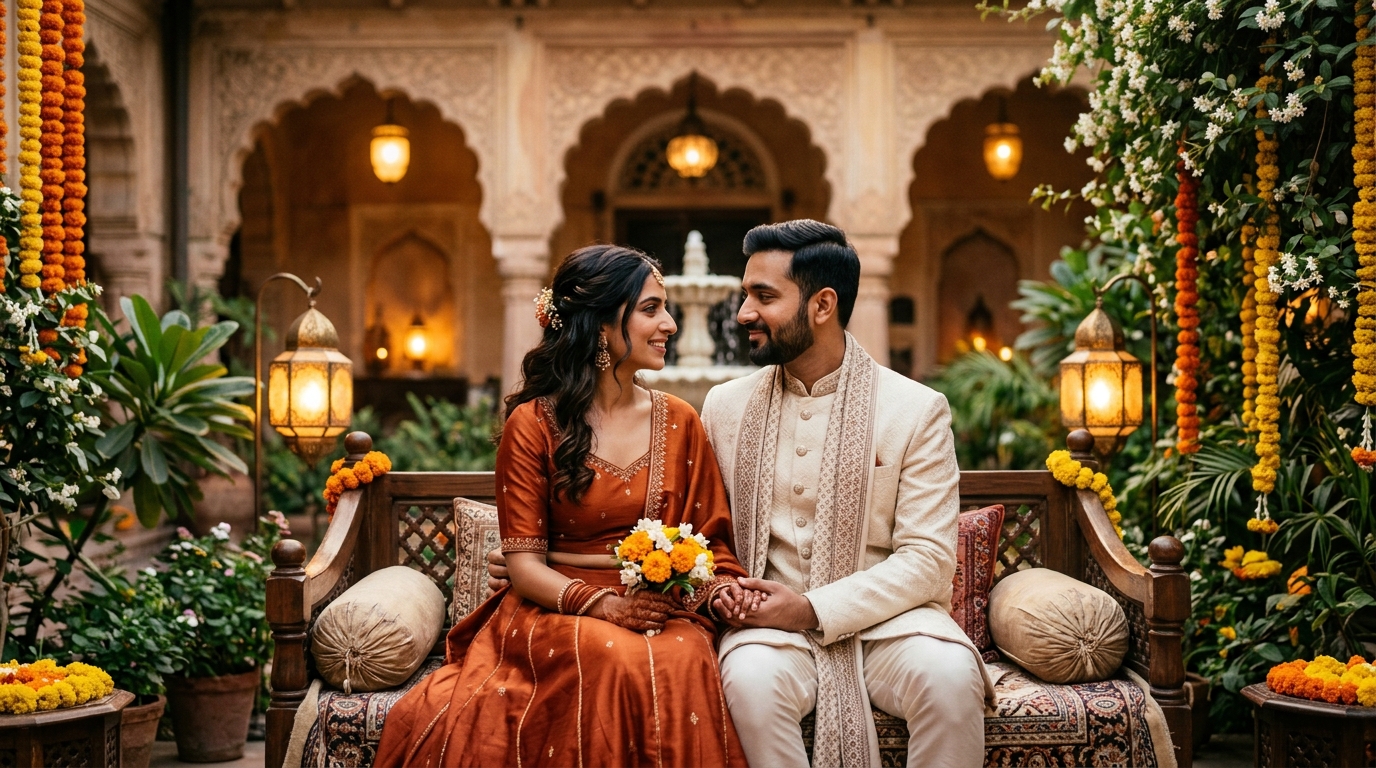
Read the entryA marriage joined for practical or protective reasons rather than romance — once a shield for queer lives, now also an openly-chosen partnership between friends.

Read the entryOne partner, exclusive by agreement. In practice most people live serial monogamy — a sequence of committed, exclusive bonds across a lifetime rather than a single one.

Read the entryMostly monogamous, with a small honest allowance for outside desire. "Pair-bonded… but we allow for attraction to others" — a sweet spot between strict exclusivity and full openness, built on consent and candour.
Read the entryA central emotional partnership stays primary while sex or play with others is openly negotiated. The classic text is Easton & Hardy's The Ethical Slut — non-exclusivity practised with rigorous honesty.
Read the entryCouples who explore recreational sex with others — usually together, often socially. As much a community with its own etiquette as a relationship shape.
Read the entryMore than one loving relationship at once, everyone informed and willing. Sociologist Elisabeth Sheff calls them "the polyamorists next door" — ordinary people, openly plural.
Read the entryThe canopy over every honest non-exclusive form. A 2017 study of single Americans found roughly one in five (21.9%) had practised consensual non-monogamy at some point in their lives.
Read the entryA throuple is three people in one interwoven relationship; the polycule is the wider constellation of everyone connected through everyone — drawn, sometimes literally, as a map.
Read the entryMany loves without a primary or a shared household — autonomy first. You are your own anchor; relationships orbit a centre that is wholly yours.
Read the entryMonogamy's faithfulness, opened to more than two — a closed, equal circle of three or more who love inward and don't date beyond the group.
Read the entryNon-monogamy by agreement, with the details deliberately left unspoken — a chosen privacy that suits some couples and unsettles others.
Read the entryHow a non-monogamous network organises itself — kitchen-table, parallel, or garden-party — and whether it runs on hierarchy or holds everyone as equals.
Read the entryNo hierarchy, no inherited scripts — every bond designed from scratch and named by the two people in it. Its manifesto insists love is not a scarce resource to be rationed.
Read the entryA commitment deeper than friendship yet not romantic — its own third thing. Born in aromantic and asexual communities for love the romance-or-friendship binary can't contain.
Read the entryMore than friends, not quite together, deliberately unlabelled. Merriam-Webster logged it as the signature Gen-Z non-label — all the feeling, none of the title.
Read the entryA partner who returns again and again across years — bright and intense when your orbits cross, low-logistics in between. Distance is the form, not the failure.
Read the entryThe person you share a home and daily life with — defined by the nest you keep together, not by romantic rank. A vocabulary that lets logistics and love be described separately.
Read the entryLittle or no sexual attraction — an orientation, not a deficit. Demisexual, greysexual and the split-attraction model give everyone cleaner words for desire.
Read the entryA real friendship that adds sex without the climb toward couplehood — where the honest conversation, not the bedroom, decides whether it works.
Read the entryEverything a marriage has — the shared keys, the same Tuesday — minus the paperwork that says so. The de-facto modern default, and a form in its own right.
Read the entryDeeply committed, each with their own front door. Around 10% of UK couples; a 2024 UCL / Lancaster study found older adults reach intimacy's mental-health benefits more equally this way.
Read the entryFor some, a romantic partner was never the missing piece. Aromantic people, and the "single at heart" in Bella DePaulo's research, flourish through friendship, self, and chosen family — by design, not default.
Read the entryA symbolic vow to honour and care for yourself — self-worth made ceremonial, and a quiet refusal of the rule that everyone must be half of a couple.
Read the entryLove across the miles, a form in its own right — as committed as living next door, with its own crafts of trust, rhythm, and the tricky art of reunion.
Read the entryPeople who show up for milestones and emergencies, carry each other through the years, and function as primary kin — without requiring shared blood or a marriage certificate.
Read the entryAncient, globally common, and persistently misread in both directions — the real questions aren't about the number, but about power, choice, and who chose this.
Read the entryFriendship promoted to the rank our culture reserves for romance — shared home, shared finances, healthcare proxies, a whole life built on a non-romantic primary bond.
Read the entryIncreasingly the norm rather than the exception — two people who answer life's biggest questions differently, and become lifelong translators of each other's worlds.
Read the entryOne of the most common family shapes in the modern world, and one of the most demanding — a home where love must be built, not assumed, across lines of loyalty and history.
Read the entryDistinct from asexuality and from a "dead bedroom" — a positive, mutual choice to build a loving partnership without sex, for reasons of faith, healing, focus, or simple preference.
Read the entryEvery flagship entry cites its sources — historians, sociologists, the people who coined the words. We treat these forms as worthy of study and of art, not novelty. Where a number appears, a study stands behind it. Where a name appears, a person first said it out loud.